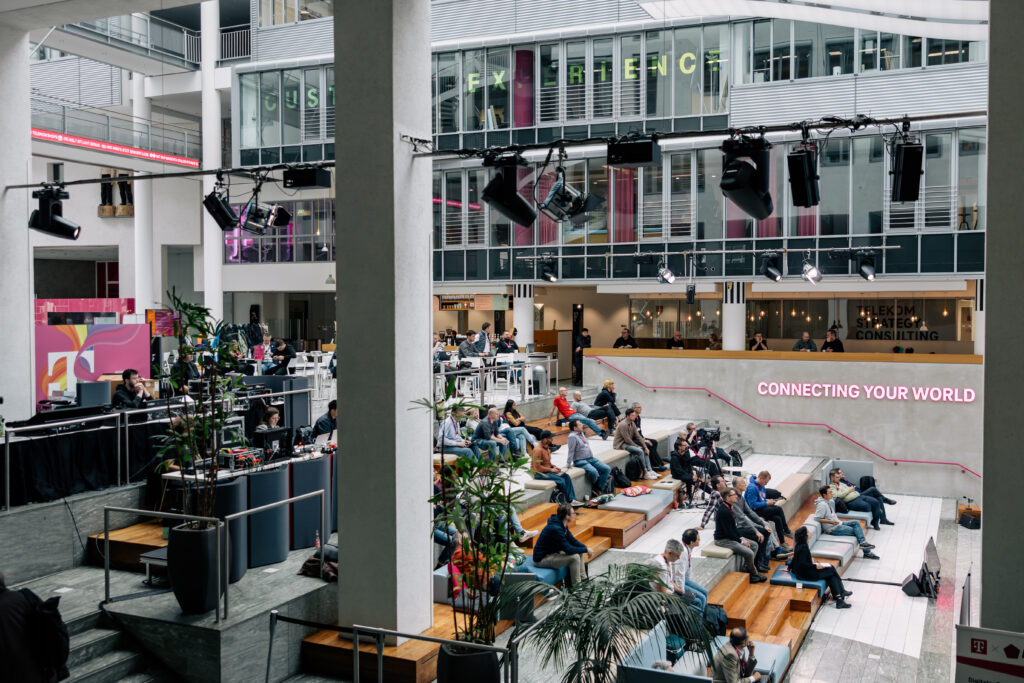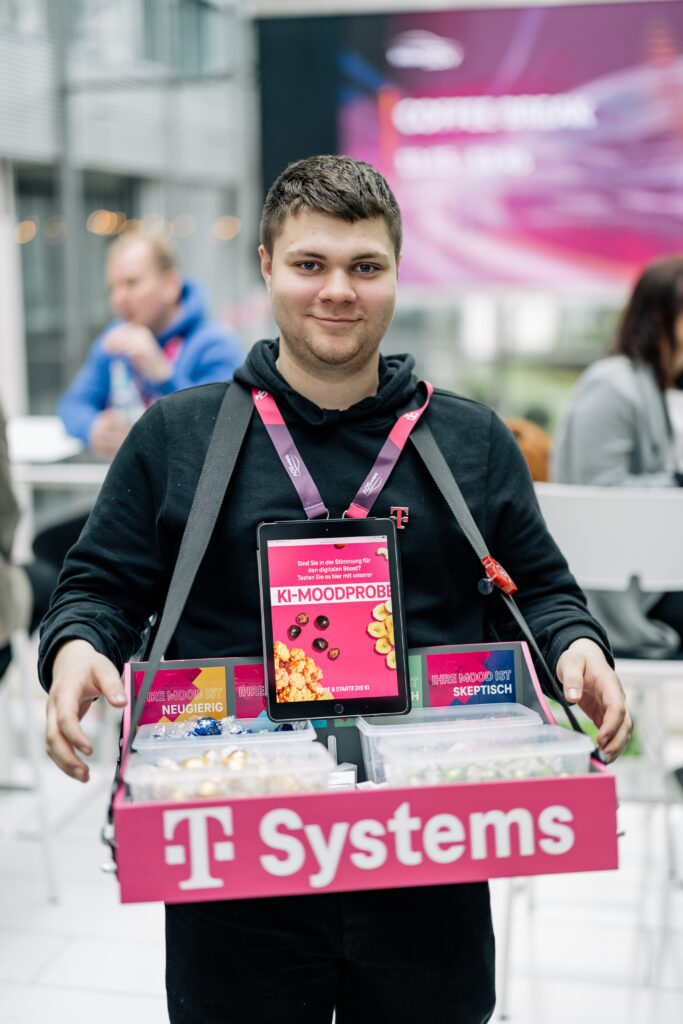
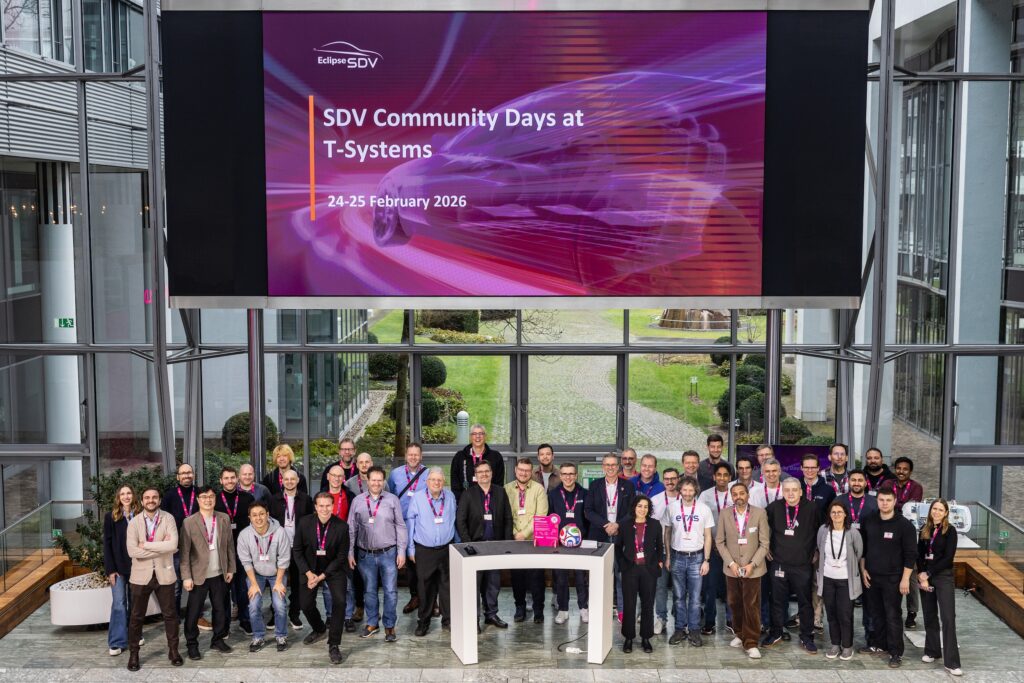
On 24-25 February, the first Eclipse SDV Community Days of 2026 brought the community to Bonn, Germany. Eclipse SDV member organisation T-Systems hosted two days of in-depth discussion, technical exchange, and forward-looking collaboration around the software-defined vehicle (SDV). A total of 55 participants attended in person – some travelling long distances, including from the United States and South Korea – while a further 70 joined online to follow a packed agenda covering AI, trustable software, ecosystem alignment, and real-world stack implementations. The event demonstrated both the growing integration of Eclipse SDV Working Group projects and the community’s ability to respond to emerging technologies and evolving industry requirements.
Setting the scene: AI, trustable software, and the future of open source
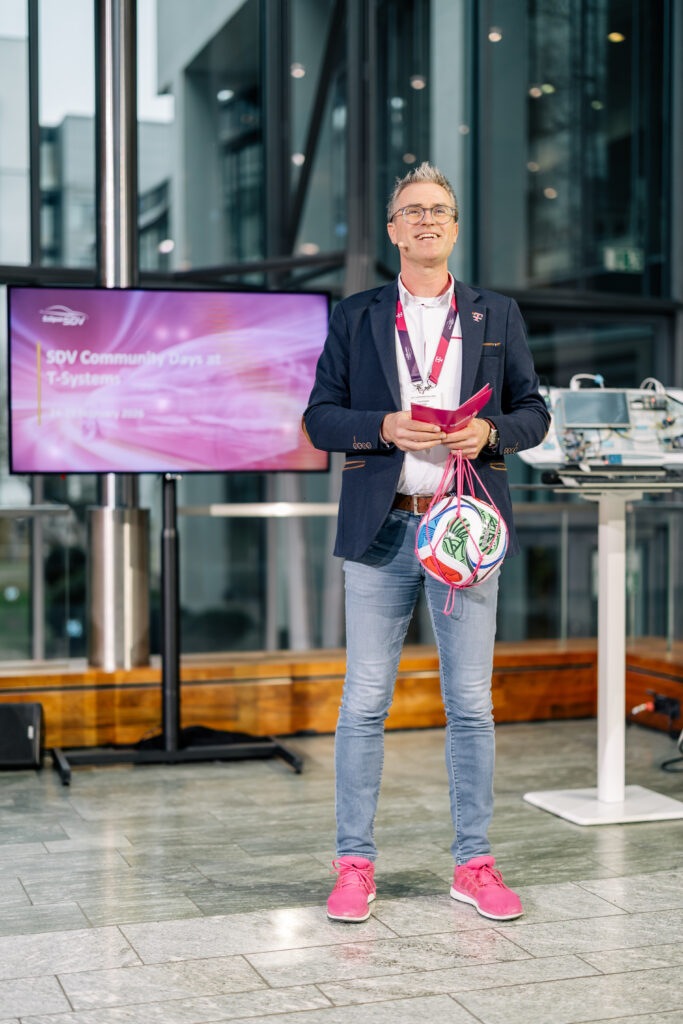
The SDV Community Days opened with a welcome from the Eclipse Foundation (Sara Gallian) and T-Systems (Christian Hort), setting the tone for a packed program focused on technical presentations, new open source projects and major updates.
The morning quickly moved into one of the most provocative questions facing the industry: “Will AI Kill Open Source?” In his keynote, Jörg Tischler (T-Systems) explored how artificial intelligence is reshaping SDV development. The good news is that rather than replacing open source, AI is shifting attention towards trust, safety, compliance, and validation. In regulated automotive environments, these aspects are fundamental.

This theme of trust and safety carried through several sessions:
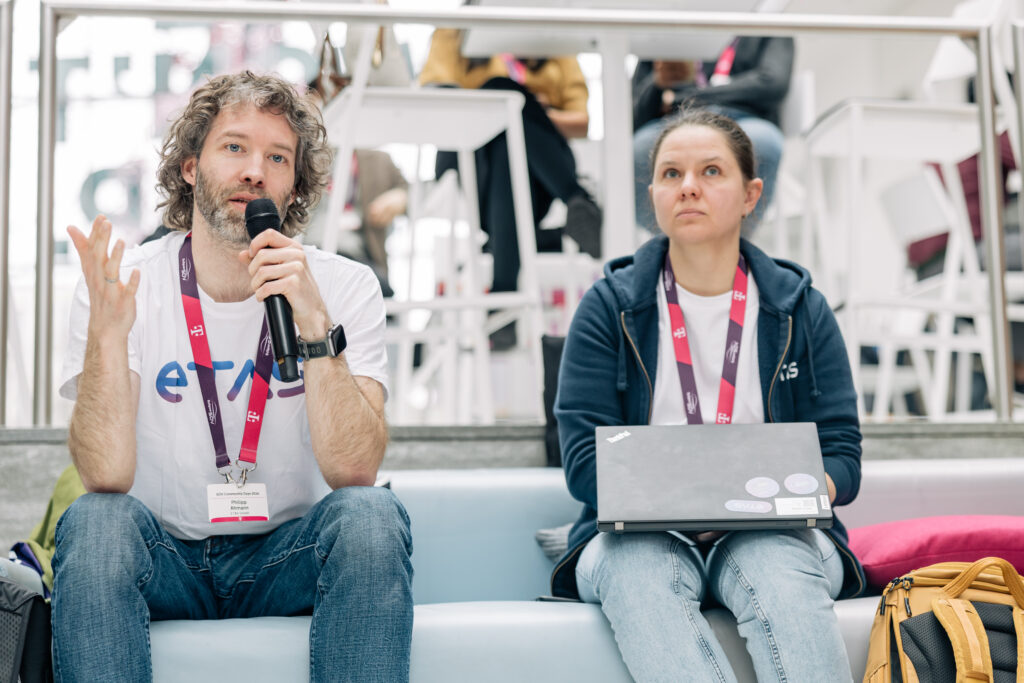
- Eclipse S-CORE updates (Björn Reistel, Philipp Ahmann, ETAS) highlighted continued progress towards a safe, open vehicle core.
- Applying the Eclipse Trustable Software Framework (TSF) to the nlohmann/json library in Eclipse S-CORE (Felix Mölders, d-fine) demonstrated how structured approaches to compliance and software assurance can support industrial-grade open collaboration.
- Discussions around AI in SDV contexts, with talks on AI edge analytics and Eclipse Aidge from Oliver Kral, Elektrobit and Pierre Gaillard, CEA-List, focused not only on capability but on responsible integration into production vehicle architectures.
Building the stack from core to cloud
As the morning progressed, attention turned to implementation.
Sessions explored how Eclipse SDV projects fit together in practice, demonstrating that the ecosystem is no longer a collection of isolated initiatives, but an increasingly coherent stack.
- Nexus SDV (Daniel Elhs, Valtech Mobility), a single-vendor open source cloud platform designed to complement SDV technologies. The session illustrated how secure-by-design telemetry (including PKI, mTLS, NATS and large-scale data handling) can integrate with projects such as Eclipse Kuksa, uProtocol, Ankaios, Symphony and OpenSOVD to enable scalable, AI-ready data pipelines.
- A real SDV stack built on existing open source components (Carlton Bale, Cummins, Daniel Krippner, ETAS, Kai Hudalla, Bosch), demonstrating feasibility beyond theory. The stack serves as the backbone for a new commercial vehicles blueprint, a modular, minimum denominator architecture that is designed to address heterogeneous systems such as commercial vehicle fleets. This talk was also the basis of the discussion of the second day.
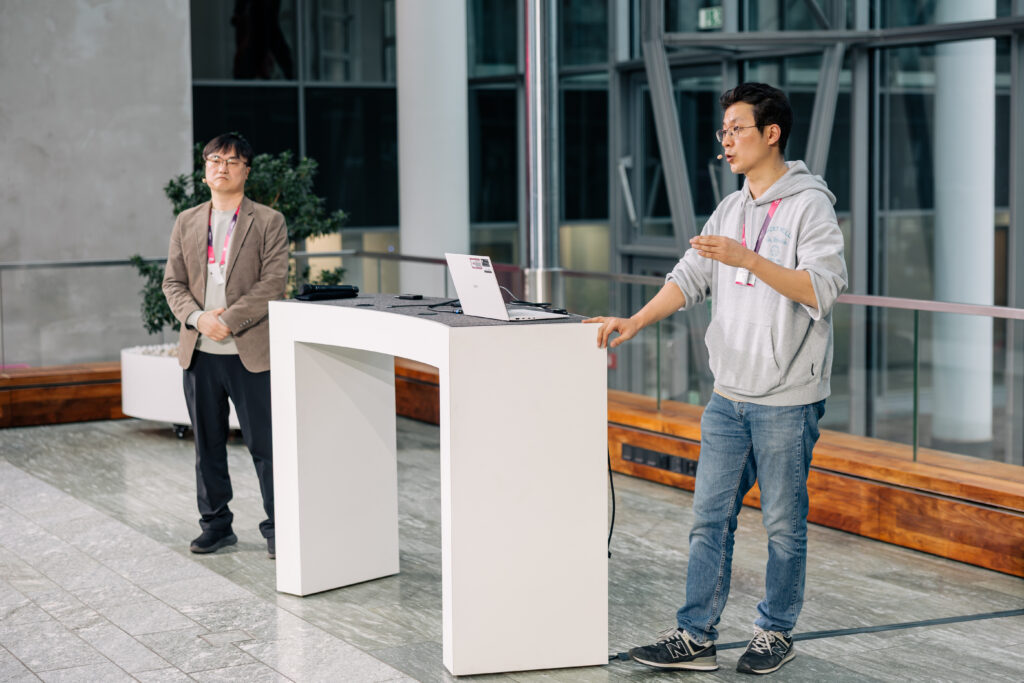
- A new project proposal (Chulhee Lee and DK Jung, LG Electronics) – Timpani, signalling ongoing expansion within the Eclipse SDV landscape. Before introducing the project, the speakers had some great news to share: LG Electronics has been appointed as the lead company for Korea’s government-led open source SDV standard platform initiative. This positions our member organisation at the forefront of large-scale, nation-level SDV development.
- Technical discussions around communication efficiency and performance optimisation, addressing practical bottlenecks in distributed vehicle architectures. Michael Pöhnl (ekxide IO GmbH) highlighted the increasing communication bottlenecks within modern SDV architectures and introduced iceoryx2 as a solution. Developed in Rust as a zero-copy inter-process communication (IPC) foundation, iceoryx2 delivers predictable latency and high-performance data exchange for data-intensive, mission-critical vehicle systems. It complements technologies such as Eclipse Cyclone DDS, Zenoh and uProtocol, strengthening the communication layer within the broader Eclipse SDV ecosystem.
- An SDV blueprint centred around the Automotive API ecosystem (Manuel Fessler, Vector Informatik), reinforcing the importance of shared standards and interoperability.
By the end of Day 1, the narrative was evident: the Eclipse SDV ecosystem is moving from foundational building blocks towards integrated, production-oriented architectures. As full technology stacks are constructed, gaps are systematically identified and addressed through the creation of new projects or the adoption of existing technologies from related initiatives and working groups.
Mapping the ecosystem
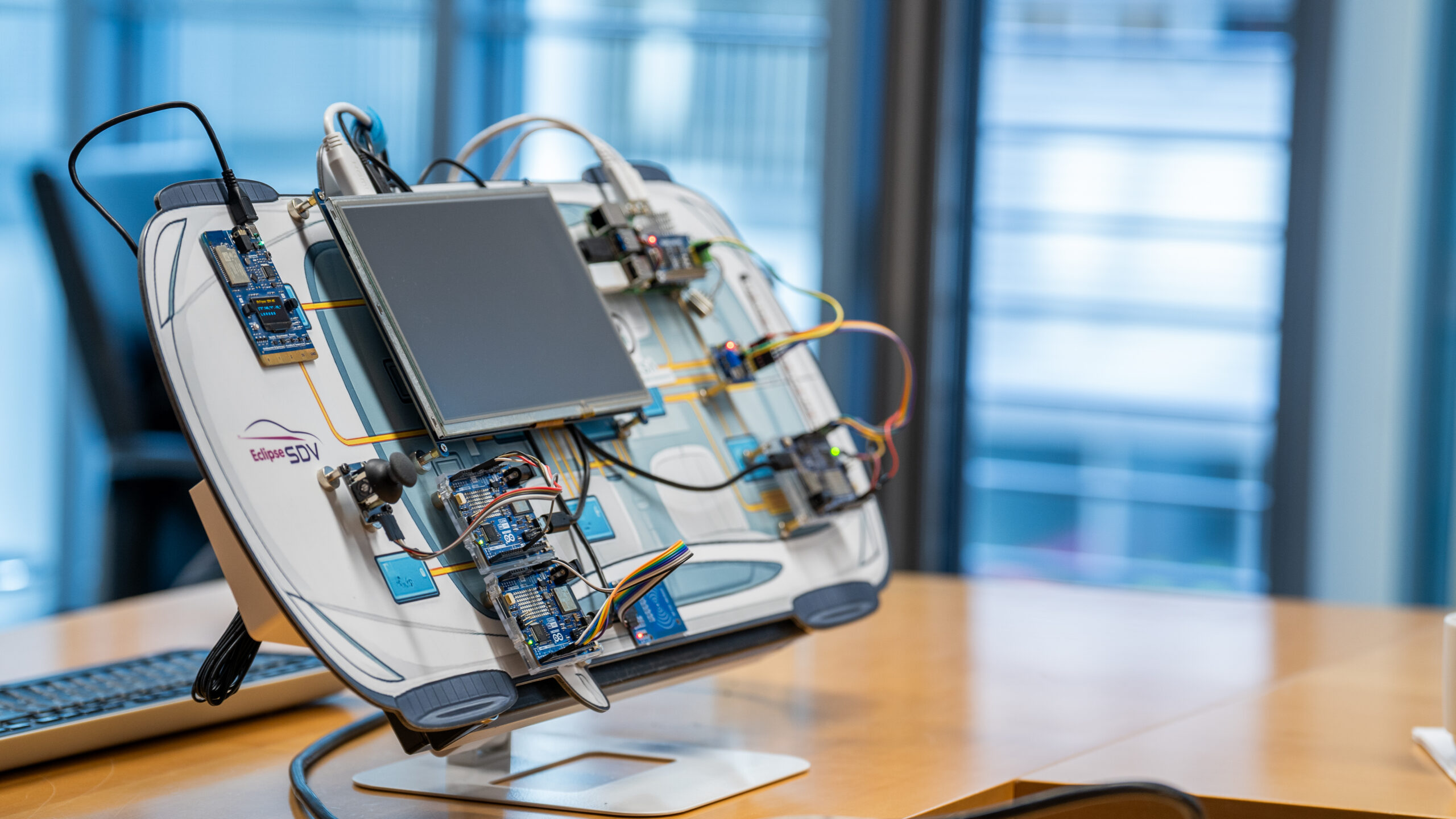
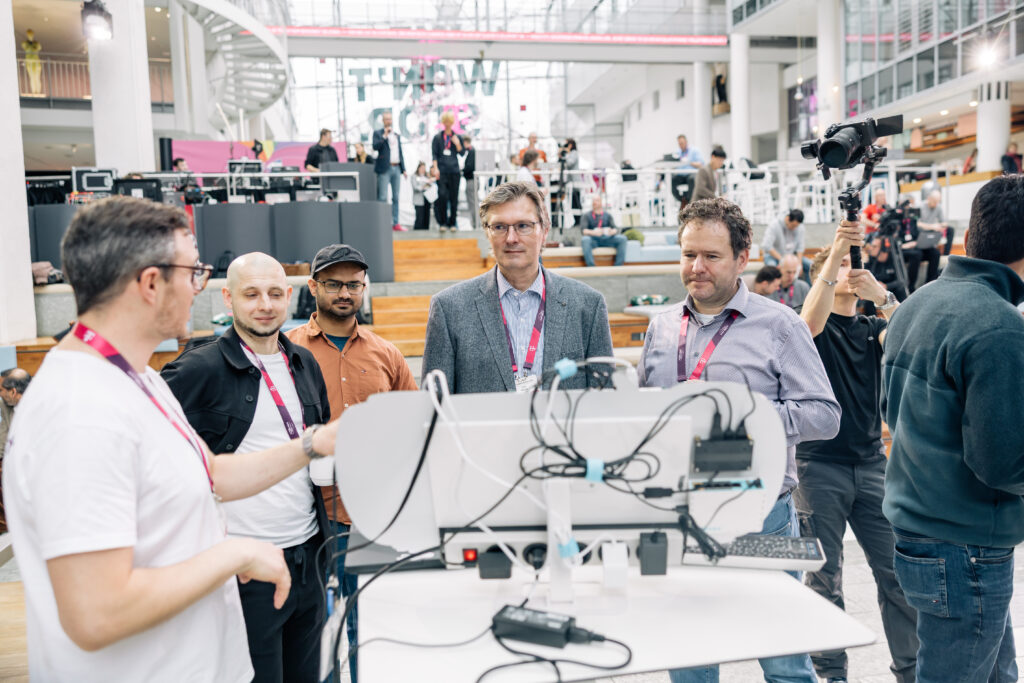
One of the last sessions of the day provided a structured overview of the Eclipse SDV Ecosystem Landscape, a new project presented by Christian Heissenberger (Eclipse Foundation), who also premiered a physical showcase for Eclipse SDV projects, the SDV Demonstrator, at this event. This landscape project lists the Technical Advisory Committee (TAC) members as committers, thereby providing the TAC with a concrete collaboration framework and tasks.
This presentation mapped existing projects against SDV building blocks, offering clarity on what is already covered and where gaps remain. For newcomers and established contributors alike, this kind of transparency is essential. In highly regulated automotive environments, organisations need to understand not only what technologies exist, but how they align and where collaboration opportunities lie.
The landscape view reinforced a central strength of the Eclipse model: open governance, vendor neutrality, and a collaborative framework that supports industrial adoption.
Day 2: Collaboration in action
If Day 1 was about vision and architecture, Day 2 was about hands-on collaboration.
Commercial vehicles
The morning featured a dedicated Commercial Vehicles meeting, bringing stakeholders together to discuss requirements specific to that domain. The inclusion of commercial vehicle use cases reflects the expanding scope of SDV initiatives beyond passenger cars, and the need for domain-specific alignment within a shared technical foundation. The group aims to collect and refine SDV use cases that are particularly, though not exclusively, motivated by commercial vehicle requirements, and to translate them into structured Eclipse SDV Blueprints.
A central discussion focused on establishing a coherent authentication and authorisation infrastructure across core SDV components. The technical building blocks largely exist, yet legacy interfaces, fragmented approaches and the absence of a common “cybersecurity best-practices layer” often impede implementation. Participants explored how token-based trust models, unified policy evaluation and systematic integration across projects such as Eclipse Ankaios, Kuksa, OpenSOVD, Symphony and uProtocol could create a scalable network effect across the ecosystem. Concrete questions were addressed, such as how containers authenticate against vehicle services, how runtimes verify trusted sources, and how orchestrators ensure workload integrity. The group agreed to pursue this as an initial cross-project activity, accompanied by high-level use case descriptions and aligned with OEM security specialists.
A second topic examined peer-to-peer, federated messaging infrastructures for maintenance notes and service notifications in complex OEM-Tier value networks. Here, the challenge is less technical than organisational: establishing common conventions and shared infrastructure without creating a single dominant player.
Detailed notes on the session can be found in a dedicated Eclipse SDV Slack channel. Next steps will be decided at Open Community for Automotive, 21-23 April, in Brussels – another reason to join the event. A workshop entitled “SDV enablement for Commercial Vehicle use cases” is planned for 22 April (11 am to 12.30 pm).
Architectural blueprints for open source projects
In parallel, participants joined a Nexus SDV hands-on session, diving deeper into the vehicle-centric cloud approach. As mentioned above, Nexus SDV is an open source licensed, single vendor AI-native platform developed through a collaboration between Valtech Mobility and Google Cloud. The session showcased how to generate architectural blueprints of Eclipse SDV projects.
SDV Demonstrator showcase
As a follow-up to his session on the previous day, Christian Heissenberger invited participants to a hands-on session on the SDV showcase, which resulted in a lively and interactive discussion.
Throughout the day, breakout discussions and informal exchanges underscored one of the event’s defining strengths: bringing passionate SDV stakeholders and open source contributors together in person.
The power of in-person community
Beyond the technical agenda, what stood out most was the atmosphere.
There is something powerful about gathering in the same room. The energy of spontaneous gatherings around a physical showcase, the intensity of deep technical debate, including controversial topics – such as whether AI will replace existing technologies or roles – and the momentum that builds when shared challenges meet shared purpose.
The SDV transformation is complex. It spans embedded systems, cloud infrastructure, AI pipelines, safety certification, and regulatory compliance. No single organisation can solve these challenges alone. The Eclipse SDV Community Days demonstrated that open collaboration remains not only relevant, but essential, just as the Eclipse SDV community continues to embrace new topics, welcome new members, and foster open discussion.
Key takeaways
The Q1 2026 Community Days at T-Systems marked a strong start to the year for the Eclipse SDV Working Group.
Key takeaways include:
- AI is reshaping SDV development.
- Trustable software, safety, and governance remain central.
- The Eclipse SDV ecosystem is maturing into a coherent, production-oriented stack.
- The community is growing internationally, with strong local OSS initiatives tying in with Eclipse SDV (i.e. South Korea).
- Integration between open source projects and industry platforms is accelerating.
- Hands-on collaboration continues to drive meaningful progress.
- Domain-specific engagement, including commercial vehicles, is expanding the ecosystem’s reach.
The role of open, vendor-neutral collaboration becomes ever more critical. Events like SDV Community Days ensure that innovation remains transparent, interoperable, and aligned with real-world industry needs.
With fresh energy from Bonn, the community now turns its attention to the next milestones in 2026, building on the foundations laid.
Presentation slides are available on the event page. Recordings of the presentations are available on YouTube.
Many thanks to our host, T-Systems, who put so much energy and creativity into making these SDV Community Days truly memorable!